Operational Readiness Assessment of 89784934, 77436015, 22117122, 281705116, 906420202, 982404322

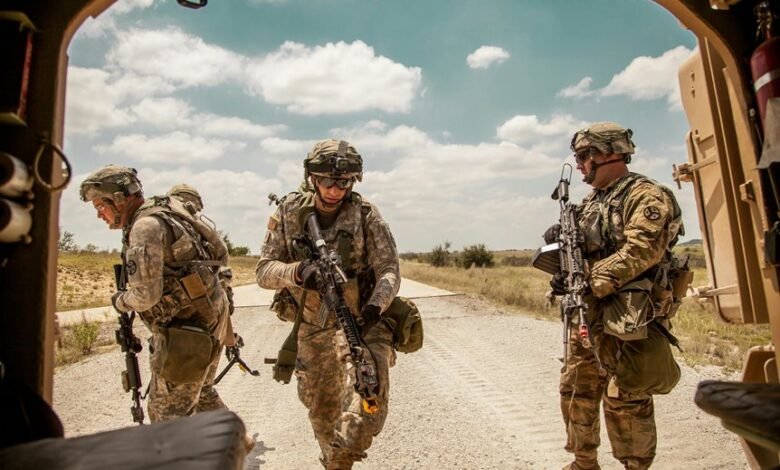
The operational readiness assessment of entities 89784934, 77436015, 22117122, 281705116, 906420202, and 982404322 reveals significant shortcomings in their current operational capabilities. Key issues include ineffective resource allocation, inadequate training programs, and vulnerabilities related to outdated technology. These findings prompt a critical examination of the organizations’ strategies. Addressing these gaps is essential for future resilience and adaptability, yet the path forward remains complex and requires careful consideration of various factors.
Methodologies for Assessing Operational Readiness
How can organizations effectively evaluate their operational readiness?
By employing various readiness frameworks and tailored evaluation criteria, organizations can systematically assess their capabilities.
These methodologies involve comprehensive analyses of resources, processes, and alignment with strategic objectives.
Emphasizing transparency and adaptability, such evaluations provide insights that empower organizations to make informed decisions, ensuring they are equipped to meet future challenges and seize opportunities.
Key Findings From the Assessment
The assessment of operational readiness has yielded several critical findings that highlight both strengths and weaknesses within organizations.
Notably, performance gaps were identified in resource allocation and training, while risk factors such as outdated technology and insufficient contingency plans emerged prominently.
These findings necessitate a focused approach to address identified deficiencies, fostering a more resilient and adaptable operational framework that empowers organizations to thrive.
Implications for Future Operations
While organizations may possess certain strengths, the implications of the operational readiness assessment underscore an urgent need for strategic enhancements to future operations.
Future strategies must focus on targeted operational improvements, ensuring adaptability and resilience.
Conclusion
In conclusion, the operational readiness assessment of entities 89784934, 77436015, 22117122, 281705116, 906420202, and 982404322 underscores the necessity for strategic improvements in resource allocation, training, and technology modernization. As these organizations navigate the complexities of a rapidly evolving landscape—akin to trying to reboot a floppy disk in a cloud computing world—they must prioritize adaptive measures to fortify their resilience. This proactive approach will position them favorably for future challenges and opportunities.